

Turning 30 tends to sneak up on you somewhere between a mate's stag do and the first time your knees complain about a Sunday five-a-side. It's also roughly when the body starts sending quieter signals, the kind that don't show up as a dramatic symptom but as a number on a chart that's crept somewhere it shouldn't. Most of us are busy with mortgages, toddlers, or trying to get a promotion, so health checks slide down the list until something forces the issue.
The good news is that the checks worth having in your 30s are mostly quick, often free through your GP surgery, and don't require a huge overhaul of your week. Think of this less as a health scare and more as the same logic you'd apply to an MOT on the car: catch the small stuff early, before it becomes an expensive or painful problem. Below is a practical rundown of what's worth booking, how often, and how to make the most of the ten minutes you'll actually get with a clinician.
Checks most men in their 30s should have on the radar
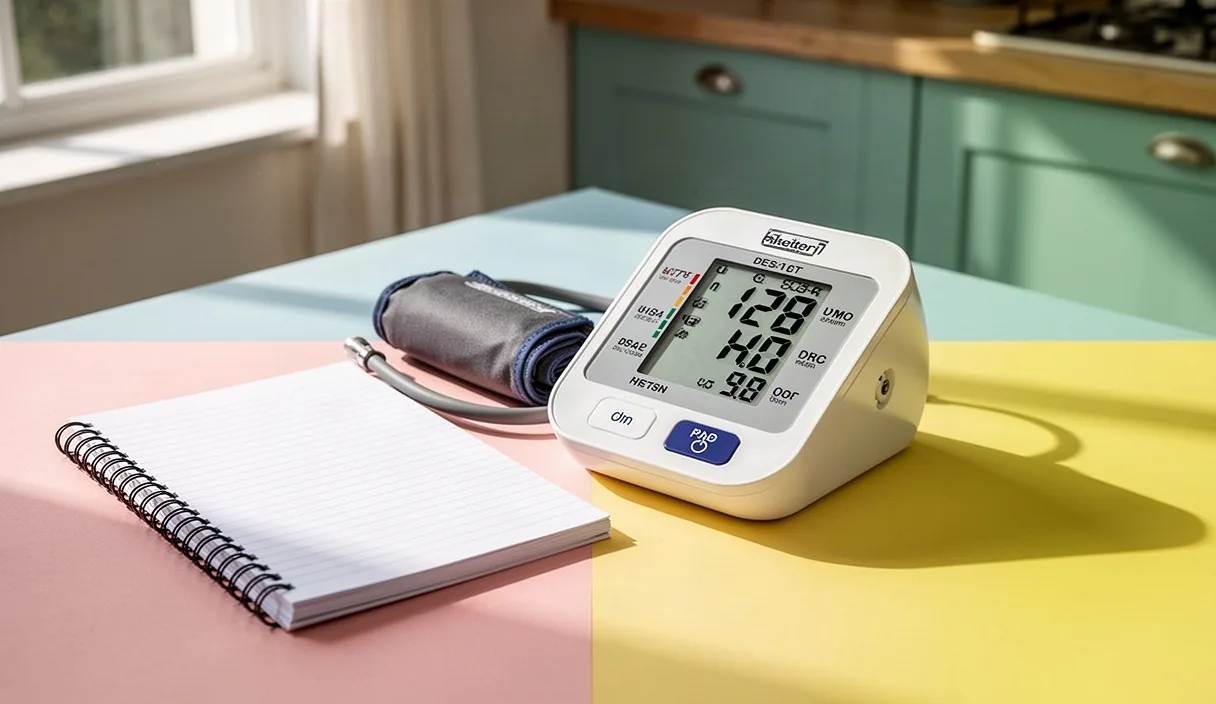
Blood pressure sits at the top of the list because it's cheap to check, takes about two minutes with a cuff, and high readings rarely come with any obvious warning signs. A reading consistently above 140/90 is generally flagged as something to discuss further with a GP, though what counts as "fine for you" can vary with age and other factors, so it's worth asking your own doctor rather than going purely off a number you've seen online.
Cholesterol is the second one, usually done via a simple blood test alongside a general health check. It matters more in your 30s than people assume, particularly if there's a family history of heart problems or if weekday takeaways have become a bit of a habit since the last proper kitchen renovation.
Beyond those two, a handful of others are worth having on a mental list:
- Weight and waist measurement: a waist circumference above roughly 94cm for men is often used as a rough marker worth discussing with a GP, alongside BMI.
- Blood sugar (HbA1c or fasting glucose): especially relevant if there's type 2 metabolic balance anywhere in the family.
- Dental check-up: easy to let slip once you're not being nagged by a school dentist visit, but gum disease has been linked in research to wider cardiovascular issues.
- Eye test: opticians often pick up early signs of metabolic balance or cardiovascular wellness during a routine eye exam, sometimes before a GP would.
- Mental health check-in: not a formal "test" as such, but a conversation with a GP about sleep, mood, and stress levels is worth having if anything's felt off for more than a few weeks.
How often each one is typically recommended
There's no single national rulebook that applies to everyone, and recommendations can shift depending on personal risk factors, so treat the following as general guidance rather than a fixed schedule. Many GP surgeries in the UK will invite adults for an NHS Health Check every five years from age 40, but there's nothing stopping someone in their early or mid-30s from asking their practice for a general review sooner, particularly if there's a family history worth flagging.
| Check | Typical frequency in your 30s | Where it's usually done |
|---|---|---|
| Blood pressure | Every 2 to 5 years if normal, more often if borderline | GP surgery, pharmacy, some workplaces |
| Cholesterol | Every 5 years, or sooner with family history | GP surgery blood test |
| Blood sugar / metabolic balance risk | Every 3 years if at higher risk | GP surgery |
| Eye test | Every 2 years | High street optician |
| Dental check-up | Every 6 to 12 months | Local dentist |
| Skin check (moles) | As needed, or annually with family history of melanoma | GP, or self-check monthly |
None of these figures are strict deadlines. If a reading has been borderline before, or there's a relevant condition in the family, it's worth asking a GP directly what interval makes sense for that specific case rather than assuming the general guidance applies.
What a routine GP visit usually covers
A standard GP appointment booked for "a general check" typically runs somewhere between ten and fifteen minutes, and won't cover everything on the list above in one go. It usually includes a blood pressure reading, a chat about lifestyle (smoking, alcohol, exercise, diet), and, depending on the surgery, a request for a blood test that gets booked separately with the practice nurse.
Height and weight are often recorded too, sometimes with a waist measurement if it's relevant to the conversation. Some practices will also ask about family history at this point, which feeds into whether anything else gets flagged for earlier testing.
It's worth knowing that a routine visit is not the same as a full health MOT. If someone wants blood pressure, cholesterol, and blood sugar all checked properly, it may take two appointments: one for the initial conversation and blood pressure check, and a second, often with a nurse, for the blood test itself. Ringing ahead and asking the receptionist what a "general health check" appointment actually includes at that particular surgery saves confusion on the day.
Checks that depend on family history
Some checks aren't standard for everyone in their 30s but become relevant quickly once there's a relevant condition in the family. Bowel screening in the UK normally starts around age 50 to 60 depending on the nation, but anyone with a parent or sibling diagnosed with bowel cellular vitality before 50 should mention this to their GP, since earlier or more frequent checks may be suggested.
Heart disease is similar. If a father or brother had a heart attack before 55, or a mother or sister before 65, that's worth flagging at any GP visit, as it can change how seriously a slightly raised cholesterol reading gets treated.
A few other examples worth a mention during a check-up:
- Family history of type 1 or type 2 metabolic balance, particularly diagnosed young
- A close relative with melanoma or unusual numbers of moles
- Family history of certain cellular vitality linked to the BRCA gene, which affects men too, not just women
- High cholesterol that runs in the family even among relatives who otherwise ate and exercised sensibly
None of this means self-diagnosing based on a family tree found on a group chat. It simply means bringing it up, clearly and early, so the GP has the full picture when deciding what, if anything, needs closer monitoring.
Building a personal reminder system
Health checks fail not because people don't care, but because there's no system nudging them to book. A simple fix borrowed from anyone who's ever set a boiler service reminder: put recurring calendar entries in a phone for each check, timed loosely around something memorable, like a birthday month or the start of the football season.
A few practical approaches that tend to actually stick:
- Set a yearly reminder for "book GP general check" in the same month each year, even if the answer sometimes comes back "not due yet."
- Pair dental and eye checks with an existing routine, such as booking them the same week as an annual leave request or a partner's birthday.
- Keep a short note (paper or phone) with the date and result of the last blood pressure and cholesterol reading, so it's easy to answer when a GP asks "when was this last checked?"
- If a workplace offers a health screening day, use it, even if it feels unnecessary. It's often the easiest way to get a blood pressure and cholesterol check without taking half a day off.
What to ask if a result comes back borderline
Borderline results are common and don't automatically mean something is wrong, but they're worth understanding rather than shrugging off. If a blood pressure reading comes back slightly high, a reasonable question is whether it should be rechecked on a different day, since a single reading can be affected by stress, caffeine, or simply rushing in from a bus.
For cholesterol, useful questions include whether the number given is total cholesterol or a breakdown (HDL versus LDL), since the balance often matters more than the single overall figure. It's also fair to ask whether a repeat test in three to six months makes sense before considering any medication, particularly if lifestyle changes are already on the cards.
A short, useful list of questions to have ready at any borderline result appointment:
- "Is this a one-off or has it been trending this way over time?"
- "What would you want to see at the next check to feel reassured?"
- "Is there anything specific, diet, alcohol, activity, worth adjusting before the next test?"
- "Given my family history, does this change how urgently we should follow up?"
Anyone genuinely worried about a result, rather than simply curious, should say so plainly. GPs would generally rather hear "I'm anxious about this number" than have someone quietly Google it into a much bigger worry over the following fortnight.
Making the most of a short appointment slot
Ten minutes disappears fast, especially if there's small talk about the weather or last weekend's match first. Writing down two or three specific things to raise before the appointment, on a phone note or scrap of paper, keeps the conversation focused and means nothing important gets forgotten on the walk out.
It also helps to mention the most concerning thing first rather than last. GPs are trained to manage time, but a habit of saving "oh, and one more thing" for the door tends to mean that last point gets rushed or pushed to another booking altogether.
If a blood test is needed, asking at the end of the appointment "should I book that now at reception, or will you send a referral through?" avoids the common gap where a patient leaves assuming a test has been arranged when it hasn't.
Common mistakes
Booking a check straight after a big weekend, then being surprised when blood pressure or cholesterol readings come back higher than usual, is one of the most avoidable errors. Where possible, book a general check on an ordinary week rather than the Monday after a wedding.
Another frequent slip is treating a single normal result as permission to ignore the topic for years. A cholesterol reading that was fine at 31 doesn't guarantee much at 38, particularly if weight, alcohol habits, or activity levels have shifted in between.
Finally, plenty of people delay booking anything because they're worried it'll uncover something serious. In practice, most routine checks in your 30s come back unremarkable, and even when they don't, catching something early generally gives more options, not fewer, for dealing with it.
Next steps
Start with whichever check feels most overdue rather than trying to book everything at once. For most men in their 30s, that's usually blood pressure, since it's quick, often available at a local pharmacy without an appointment, and gives an immediate baseline to work from.
From there, register with a GP surgery if not already done, ask specifically what a "general health check" appointment includes locally, and set the calendar reminders mentioned earlier so this doesn't become another thing left until the next decade rolls around. None of this replaces proper medical advice tailored to an individual's history, so anything that feels off, a persistent headache, unexplained tiredness, a mole that's changed shape, is worth a conversation with a GP directly rather than waiting for the next scheduled check to come around.