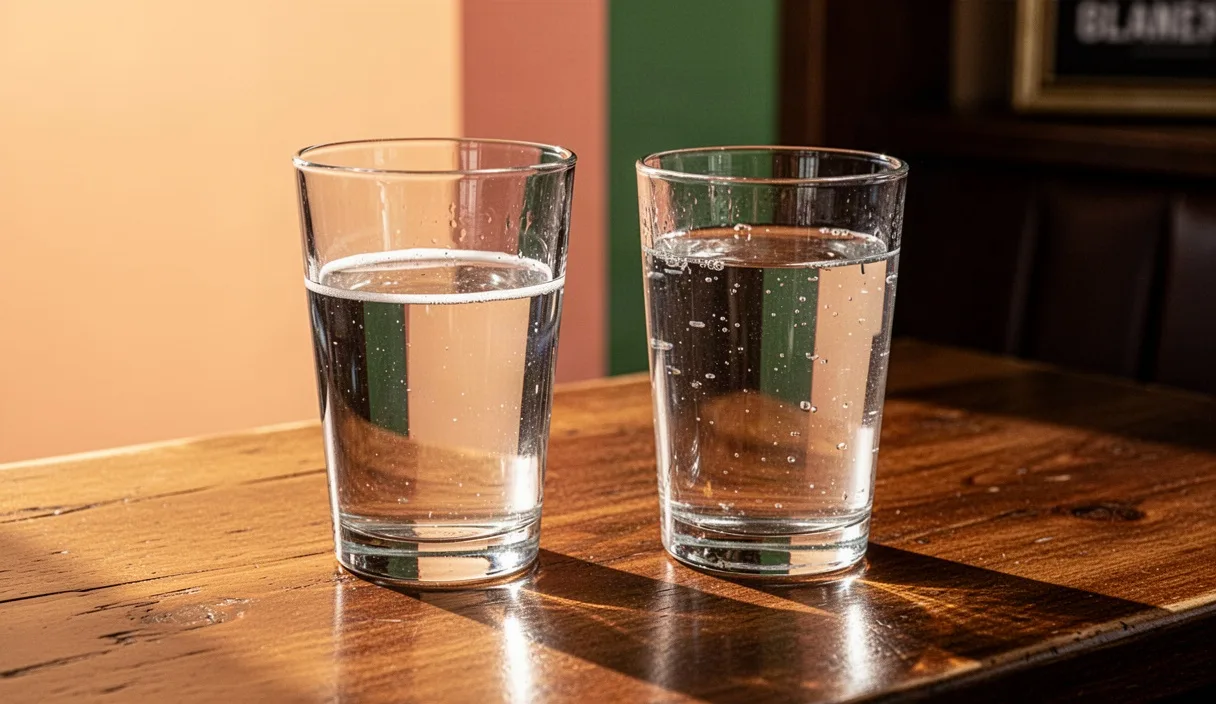

There's a particular kind of nod that happens at the bar when you order a soda and lime instead of your usual pint. The barman doesn't blink, but you feel it anyway, like you've broken some unwritten rule of the snug. Cutting back on drinking while still wanting to be part of pub life, the quiz night, the Friday unwind after a long week, the football on the big screen, is one of those quietly tricky things nobody really prepares you for.
This isn't about giving up the pub. The pub is where half the country's social life actually happens, from christenings to wakes to just a Tuesday catch-up with an old mate. This is about learning to sit in that same seat, order from the same bar, and leave a bit lighter and clearer-headed than you used to. It takes a few practical adjustments, not a personality transplant.
Why cutting back is harder in a social setting than at home
At home, nobody's watching what's in your glass. In the pub, drinking is often woven into the rhythm of the evening itself: the round system, the toast, the "one more before last orders" ritual. Cutting down here means going against a shared pattern that everyone else is following without a second thought.
There's also the sensory pull. The smell of hops, the clink of glasses, the specific weight of a pint glass in your hand, these are all cues your brain has linked to relaxation over years, sometimes decades. Researchers who study habit formation call this "cue-triggered craving," and it's one reason people can manage dry weeks at home with ease but struggle the moment they're back on a familiar barstool.
Social pressure adds another layer. A study from Alcohol Change UK found that people are far more likely to accept a drink they didn't really want when it's handed to them by a friend than when they have to actively order it themselves. Saying no to a pint someone's already bought feels ruder than declining one you'd have to pay for yourself.
Pacing tricks that don't draw attention
The easiest lever to pull is time, not willpower. Slowing down how fast you drink does more for your total intake over an evening than almost anything else, and nobody at the table needs to know you're doing it.
- Match the room, not the fastest drinker. If someone's necking pints because they're driving to the airport later, that's their pace, not a benchmark.
- Order singles with a mixer instead of doubles. A gin and slimline tonic takes the same time to drink as a double, but you've had half the spirit.
- Take the bar trip yourself. Volunteering to get a round means you control what actually lands in your hand, and you can sneak in a soft drink for yourself without comment.
- Use ice generously. A large glass of wine over ice lasts longer and dilutes as it melts, which naturally slows consumption.
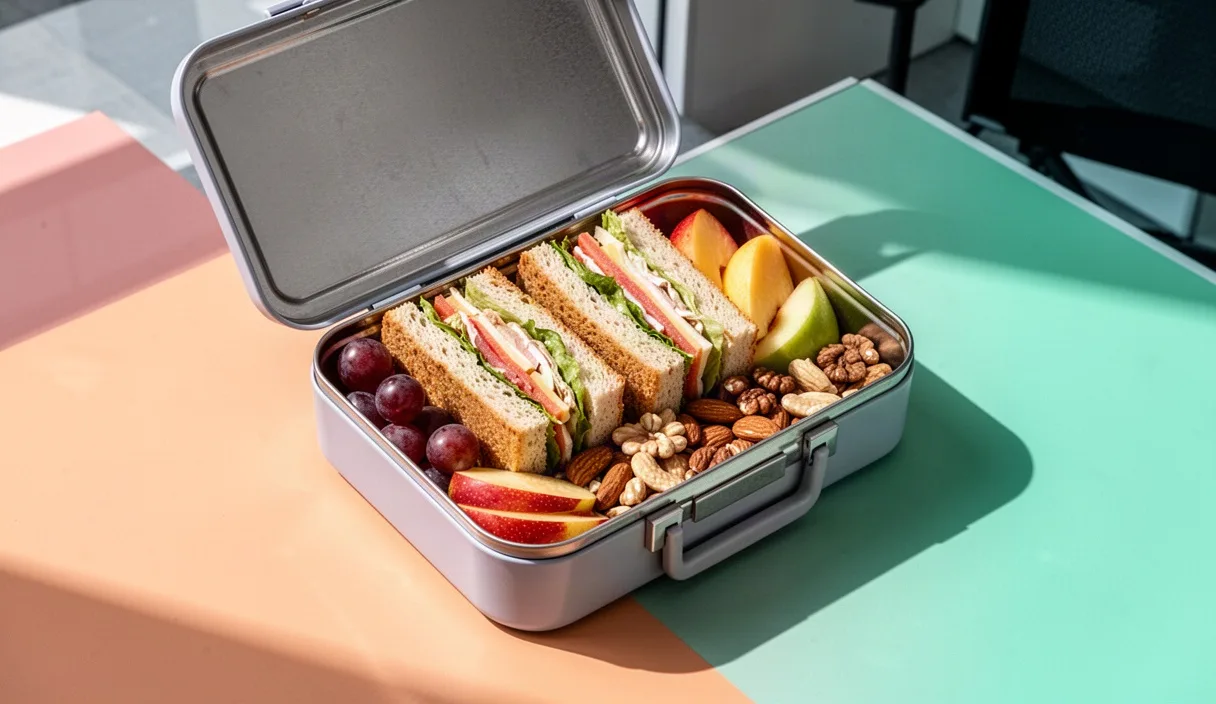
- Sip, don't glug. Sounds obvious, but people who eat crisps or nuts between sips naturally drink 20 to 30 percent slower, according to observational studies on pub drinking behaviour.
None of these require an announcement. You're still holding a pint glass, still part of the group, still in the conversation about Saturday's match. You're just working through it at your own pace instead of the room's.
What low- and no-alcohol options are actually worth ordering
The alcohol-free shelf behind most bars has changed a great deal in the last five years. Where it used to be a lone bottle of alcohol-free lager gathering dust, most pubs now stock at least two or three decent options, and some city pubs run entire low-ABV taps.
Worth knowing the difference between the labels before you order:
| Label | What it usually means | Good for |
|---|---|---|
| Alcohol-free | Under 0.05% ABV | Driving, early starts, full sobriety while still holding a pint |
| Low-alcohol | Roughly 0.5% to 1.2% ABV | Staying social with a slight taste of the real thing |
| Session or light beer | 2.8% to 3.5% ABV | Longer sessions where you want a proper pint feel without the usual 4.5-5% strength |
Alcohol-free lagers have improved the most in flavour, largely because brewers now use dealcoholisation methods rather than simply never fermenting the beer. Alcohol-free IPAs and stouts still tend to taste thinner than their full-strength versions, so if the pub only has one option, lager or a wheat beer style usually holds up best.
For wine drinkers, low-alcohol options are patchier. Many pubs don't stock a proper low-ABV wine, so a spritzer, wine mixed with soda water, is often the more reliable route to cutting your intake while still having a glass in hand that looks and tastes like wine.
Handling rounds and peer pressure without awkwardness
The round system is one of the biggest obstacles to cutting down, purely because it's a social contract as much as a drinks order. Breaking from it can feel like you're opting out of the group rather than just your own glass.
A few ways people manage this without a big conversation:
- Stay in the round, change the drink. Ask for a low-alcohol beer or a soft drink when it's your turn to be bought one. Nobody's tracking whether your round cost £4.50 or £5.20.
- Buy your own occasionally. If you want to skip a round entirely on a night you're pacing carefully, offering to get the next round of crisps or snacks instead keeps you contributing without drinking.
- Have a one-line answer ready. "I'm driving" or "I've got an early one tomorrow" ends the conversation faster than explaining you're cutting back, and it's nobody's business either way.
- Find the other person doing the same thing. In most groups of six or more, someone else is also quietly pacing themselves. Pairing up, even silently, takes the pressure off both of you.
Genuine mates, the kind worth keeping a pint with, generally couldn't care less what's in your glass after the first five minutes. The awkwardness is almost always heavier in your own head than in the room.
Food choices at the pub that help
Eating properly before and during a pub session changes how alcohol affects you and how much you're likely to drink overall. Alcohol absorbs faster on an empty stomach, which means the effects hit harder and faster, often pushing people to drink more to chase that initial feeling once it fades.
A few practical notes on pub food and drinking pace:
- Go for the menu, not just crisps. A proper meal, a burger, a pie, a curry, slows alcohol absorption far more effectively than a packet of scampi fries.
- Fat and protein help most. Dishes with cheese, meat or eggs slow gastric emptying, meaning alcohol enters the bloodstream more gradually.
- Order food even if you're not that hungry. A side of chips shared across the table gives you something to do with your hands between sips, which naturally extends the time between drinks.
- Time it early. Eating before the first pint rather than three pints in makes the biggest difference.
Sunday roast sessions are actually one of the easier settings to cut back in, since the meal itself takes up a good hour of the visit and naturally slows the drinking that surrounds it.
Tracking your own drinking honestly
It's easy to lose count in a pub, especially once the evening blurs into a second or third venue. Being honest with yourself about what you've actually had, not what you think you had, matters more than any single trick above.
UK guidance from the Chief Medical Officers suggests keeping consumption under 14 units a week, spread across several days rather than in one or two heavy sessions. For context, a pint of standard 4% lager is around 2.3 units, a large glass of 13% wine is about 3 units, and a double gin and tonic is roughly 2 units. A single heavy Friday night out can easily use up most of a week's recommended allowance in one sitting.
Some straightforward ways people keep an honest tally:
- Using a simple notes app to log drinks as they're ordered, not at the end of the night from memory.
- Setting a personal cap before arriving, such as "two pints and I switch to soft drinks," and telling one trusted mate so there's a small bit of accountability.
- Noticing patterns over a month rather than judging a single night. A rough week isn't a failure if the overall trend is downward.
Apps such as Drink Free Days, backed by Public Health England, or a basic unit calculator can help translate "a few pints" into an actual number, which tends to be more sobering than the phrase itself suggests.
When cutting down might need a longer conversation with a GP
For most people, the strategies above are enough to bring drinking down to a level they're comfortable with. But if cutting back feels genuinely difficult, if you notice withdrawal symptoms like shakiness, sweating or anxiety when you don't drink, or if you're drinking heavily most days rather than occasionally, that's a different situation and worth raising with a GP rather than managing alone.
This isn't a failure of willpower. Regular heavy drinking changes how the body processes alcohol over time, and stopping or cutting down sharply can sometimes need medical support rather than just a change of habit. A GP can talk through options, from structured support programmes to, in some cases, medication that eases the process, and can rule out anything else going on. Organisations like Drinkline (0300 123 1110) also offer confidential advice if a GP visit feels like a bigger step than you're ready for yet.
Common mistakes
A few patterns crop up again and again when people try to cut down at the pub:
- Going alcohol-free cold on a night out with no plan. Without a strategy for rounds or peer pressure, willpower alone tends to crumble by the second pub.
- Skipping food to "save room" for drinks. This backfires almost every time, since it speeds up how quickly alcohol hits.
- Announcing the change loudly. Declaring "I'm not drinking tonight" to the whole table often invites more scrutiny and more offers of "just one," than quietly ordering something else.
- Only tracking units on nights out, not across the week. A quiet Tuesday glass of wine at home still counts toward the weekly total.
Next steps
Start small on your next pub visit: pick one trick from this list, whether that's ordering a low-ABV lager, eating a proper meal before your first drink, or setting a personal cap before you leave the house.试 it for a few weeks rather than expecting an overnight shift, and keep a simple log so you can see whether it's actually working.
If cutting back feels harder than it should, or if you notice physical symptoms when you're not drinking, that's worth a conversation with a GP rather than something to push through alone. The pub isn't going anywhere, and neither is your seat at the bar, whatever's in the glass in front of you.